A photograph of an unfamiliar animal can lead to questions that a worksheet never anticipated. Where does it live? How does it survive? Why does it look that way? In this National Geographic Kids review, I look at a website that gives teachers plenty of material for turning those questions into reading, discussion, and investigation.
National Geographic Kids brings together articles, photographs, videos, games, quizzes, and science activities. Its strongest classroom appeal, in my view, is the opportunity to connect children’s curiosity about the world with purposeful learning.
What Is National Geographic Kids?
National Geographic Kids is a children’s educational website covering animals, science, geography, history, space, and other topics. Students can browse informational articles, watch videos, explore animal profiles, and play games. The website also connects to National Geographic’s books and magazine subscriptions.
I would consider it especially for elementary classroom use, while choosing individual resources according to students’ reading abilities and interests. A younger learner might explore a photograph with teacher guidance; a more confident reader could use an article to gather information for a project.
The website works well as a source of supplementary material. Teachers still need to select resources, connect them to curriculum outcomes, and decide what students should do with the information.
National Geographic Kids Review: Main Features
Animal Profiles and Photographs
The animal section groups resources into categories such as mammals, birds, reptiles, amphibians, fish, and invertebrates. These categories provide a straightforward starting point for exploring different kinds of animals.
Individual profiles combine photographs with factual information. For example, the American robin page includes its common and scientific names, size, habitat, diet, predators, and behaviour. Short sections make it possible to locate particular information without reading the entire page at once.
For an animal research task, I would give students a question to investigate: “How does this animal get its food?” or “What helps it survive in its habitat?” This gives their reading a purpose and helps them choose relevant details.
Related: Kiddle Full Review
Science Articles and Experiments
The Science Lab includes articles, videos, and hands-on activities. Listed activities include making a weather station, investigating static electricity, creating a lava lamp, and observing an outdoor area with a hula hoop. The section also includes resources on climate change, biodiversity, habitat destruction, and plastic pollution.
Teachers can use these resources to introduce a concept or plan an investigation. I would build in time for students to predict, observe, record, and explain. An impressive reaction can attract attention, but students need opportunities to think through what happened.
Check each activity’s materials and safety instructions before using it. The elephant toothpaste page, for instance, specifies protective equipment and warns about chemical irritation, heat, and steam. Activities require different levels of preparation and supervision.
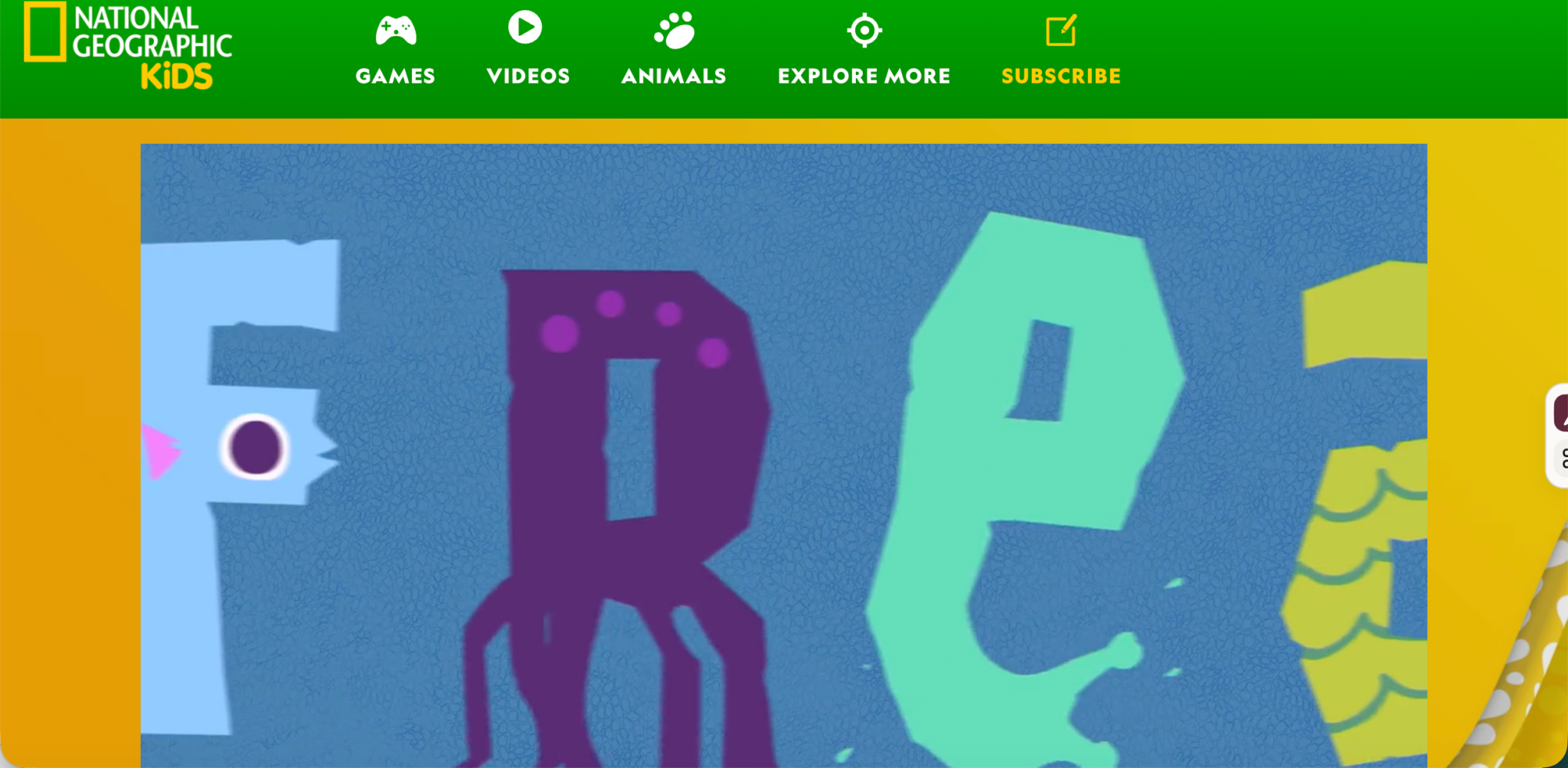
Short Videos
The video collection includes animal, exploration, science, and fun-fact content. Series linked through the website include Amazing Animals, Weird But True!, and Try This! Videos vary in length, with some lasting only a few minutes.
A short clip could introduce a lesson, help students examine an animal’s behaviour, or provide material for comparing written and visual explanations.
I would give students one question before viewing. Afterward, ask them to explain their answer using something they observed. This keeps the discussion connected to the video and makes their understanding easier to assess.
Games, Quizzes, and Puzzles
The games section includes knowledge quizzes, personality quizzes, puzzles, action and adventure games, and Funny Fill-Ins. These activities have different purposes, so teachers should preview the specific activity they intend to use.
A topic quiz might prompt students to revisit an article or discuss an unfamiliar fact. A personality quiz is better treated as entertainment. Its result tells us little about a student’s learning.
For classroom use, I would ask students to explain one answer or investigate one question they found difficult. That follow-up can provide more useful evidence of understanding than completion alone.
History and Geography Resources
The history section includes biographies, historical events, and collections on subjects such as women’s history, African American historical figures, national parks, and U.S. presidents. There is also a dedicated collection for U.S. states and territories.
These resources can supply introductory reading for social studies. Teachers working outside the United States should check how the selected material fits their curriculum and supplement it with relevant local sources and perspectives.
Ways Teachers Can Use National Geographic Kids
| Classroom purpose | Suggested activity |
|---|---|
| Animal research | Investigate how an animal’s diet, habitat, and behaviour connect. |
| Informational reading | Identify headings, key details, and unfamiliar vocabulary in an article. |
| Science inquiry | Record a prediction, observations, and an explanation for a selected experiment. |
| Comparing sources | Compare an article with another suitable source and discuss differences. |
| Writing | Use research notes to write an explanation in students’ own words. |
| Environmental learning | Connect a resource on pollution or habitats to a local question. |
One activity I would particularly consider is an animal comparison. Students select two animals and investigate how each obtains food, avoids predators, or survives changing conditions. They then explain a meaningful similarity or difference using evidence from their reading.
The website also provides opportunities to teach visual literacy. Ask students what they can observe directly in a photograph and what they learned from the accompanying text. A photograph may show an animal’s appearance, while its diet or migration pattern requires additional information.
For older elementary students, a brief source-comparison task can introduce critical reading. Have them compare a National Geographic Kids article with another appropriate resource: What does each explain? Which details appear in both? What questions remain?
Is National Geographic Kids Free?
The public articles and resource pages checked for this review were accessible without a paid subscription or sign-in. Magazine subscriptions, books, and other products are separate purchases. The website includes shop links and subscription promotions, so free browsing should not be confused with an entirely noncommercial environment.
Teachers can share links to selected pages through their usual classroom platform. Direct links also help students reach the intended resource without navigating through unrelated activities.
What to Check Before Classroom Use
Preview the reading demands, subject matter, and navigation. Some students may need vocabulary support or a shared reading routine. For video activities, check playback and the supports your learners need on the classroom device.
Privacy deserves a check as well. The website links to Disney’s children’s privacy policy, which describes automatic collection of technical information, including persistent identifiers, for purposes such as site operations, analytics, and contextual advertising. Review the policy against your school’s requirements.
Photographs also carry copyright notices. Public access does not automatically permit copying images into worksheets, presentations, or published student projects. Check the applicable permissions before reusing material.
My Assessment
National Geographic Kids is worth bookmarking for animal research, introductory science reading, short videos, and selected investigations. I would use it when students need an accessible starting point or a resource that helps them develop a question worth pursuing.
Choose a specific article or activity and pair it with a task that requires students to explain, compare, or investigate. The photographs may draw students in; what they do next determines the educational value.