The classroom collection · 07
Build a purposeful literacy toolkit.
Materials for phonics, small-group reading, storytelling, and literacy centers. Below are twelve product ideas, with practical uses and details to check before you choose.
As an Amazon Associate I earn from qualifying purchases. If you buy through an affiliate link on this page, I may earn a commission at no additional cost to you.
Explore the collection
Choose for your students, space, and budgetThe photos and buttons open the featured products on Amazon. Check the individual listing for specifications, age guidance, and what is included.

Junior Learning Rainbow Phonics Magnetic Letters
Build and change words with movable letters during small-group lessons. Check the included letters and spelling patterns against the words you plan to teach.
Useful for: Word building and spelling practice
View on Amazon ↗
hand2mind Reading Rods Phonics Word-Building
Use connecting rods to assemble words and explore how changing a letter changes the word. Have students read each new word aloud and explain the change.
Useful for: Sound-spelling connections
View on Amazon ↗
Junior Learning Rainbow CVC Objects
Use pictured objects to prompt vocabulary and consonant-vowel-consonant word work. Establish each picture’s name before asking students to identify its sounds.
Useful for: Oral vocabulary and CVC practice
View on Amazon ↗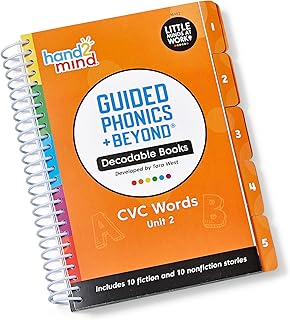
hand2mind Guided Phonics + Beyond Decodable Books — Unit 2
Choose reading practice that matches the spelling patterns students have learned. Review this unit’s phonics sequence and sample pages before adding it to your reading groups.
Useful for: Reading practice after explicit phonics instruction
View on Amazon ↗
Learning Resources 3 Letter Word Puzzle Cards
Use word puzzles for guided practice assembling and reading short words. Ask students to attend to each letter and blend the sounds before checking the picture.
Useful for: Early word reading and spelling
View on Amazon ↗
Learning Resources Snap It Up! Phonics Word Families
Add a card-game format to practice with word families. Model how to read the words first, and adjust the pace so students have time to explain their choices.
Useful for: Small-group phonics review
View on Amazon ↗
Learning Resources Word Families & Rhyming Center Pocket Chart
Organize word-family work in a pocket chart that students can see and discuss. Use selected examples to compare shared spelling patterns and listen for rhymes.
Useful for: Word-family lessons and demonstrations
View on Amazon ↗
Teacher Created Resources 4-Scene Sequencing Cards
Arrange picture cards into a sequence and invite students to tell the story. Follow up with a short written retelling using words such as first, next, and finally.
Useful for: Story sequencing and oral language
View on Amazon ↗
Learning Resources Reading Comprehension Cubes
Use question cubes to open conversations before, during, or after reading. Ask students to support their responses with details from the text rather than stop at a quick answer.
Useful for: Reading discussions and comprehension
View on Amazon ↗
Key Education Sentence Building Game
Arrange word and punctuation pieces to build sentences students can read and revise. Discuss how changing a word or its position changes the meaning.
Useful for: Sentence construction and grammar
View on Amazon ↗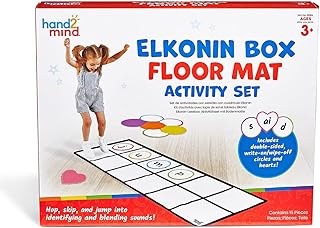
hand2mind Elkonin Box Floor Mat Activity Set
Use a floor-based sound-box activity to make phoneme work visible through movement. Model how spoken words separate into sounds, keeping the focus on sounds rather than letter count.
Useful for: Phonemic awareness and sound segmentation
View on Amazon ↗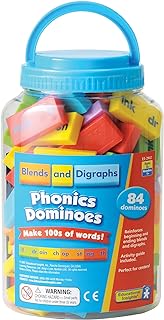
Educational Insights Phonics Dominoes: Blends & Digraphs
Combine domino pieces to build words using blends and digraphs. Select patterns students already know, then have them read and explain each word they create.
Useful for: Word building with blends and digraphs
View on Amazon ↗Before you choose
- Match the resource to the sounds, spellings, texts, or language goals you are teaching.
- Review sample content and instructions; a grade label alone does not establish a good fit.
- Check letter forms, vocabulary, and image clarity for your learners and teaching context.